
Building and Testing a Modified Digitenna
Recently I came across a modified Digitenna design on Printables
— a 3D-printable adaptation of the popular compact end-fed HF antenna concept originally created by Digirig. The modified version is intended to extend usability across 10–40 m bands with a custom transformer housing and spool design.
What It Is
The Digitenna itself is a lightweight, easily deployable end-fed half-wave (EFHW) antenna designed for portable operations such as POTA/SOTA activations. The standard commercial version uses a 49:1 impedance transformer wound on an FT-82-43 toroid core and comes on a compact spool that makes setup and takedown quick and simple.
The modified model on Printables adapts this basic concept for 3D printing with:
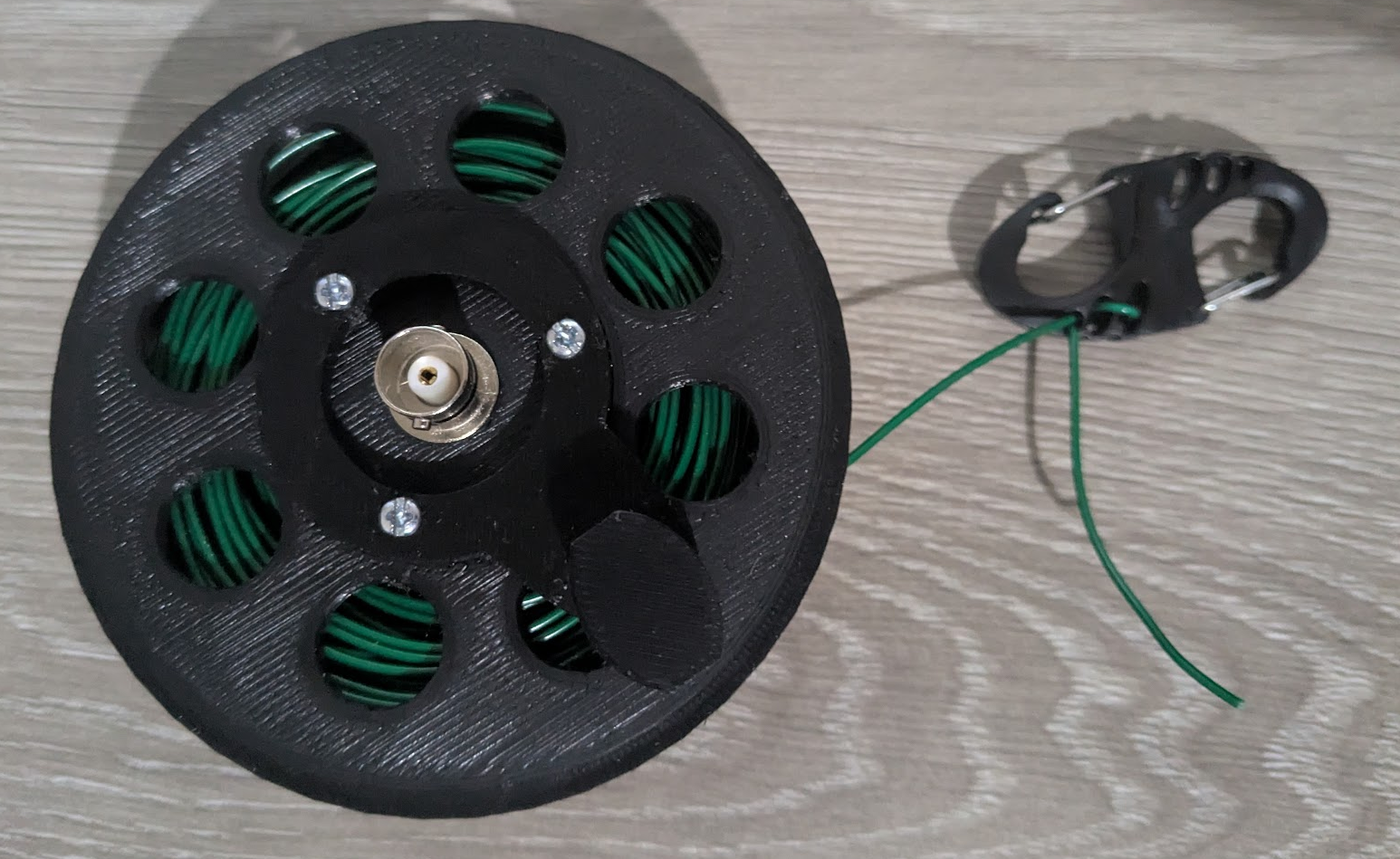
A custom ABS housing and spool
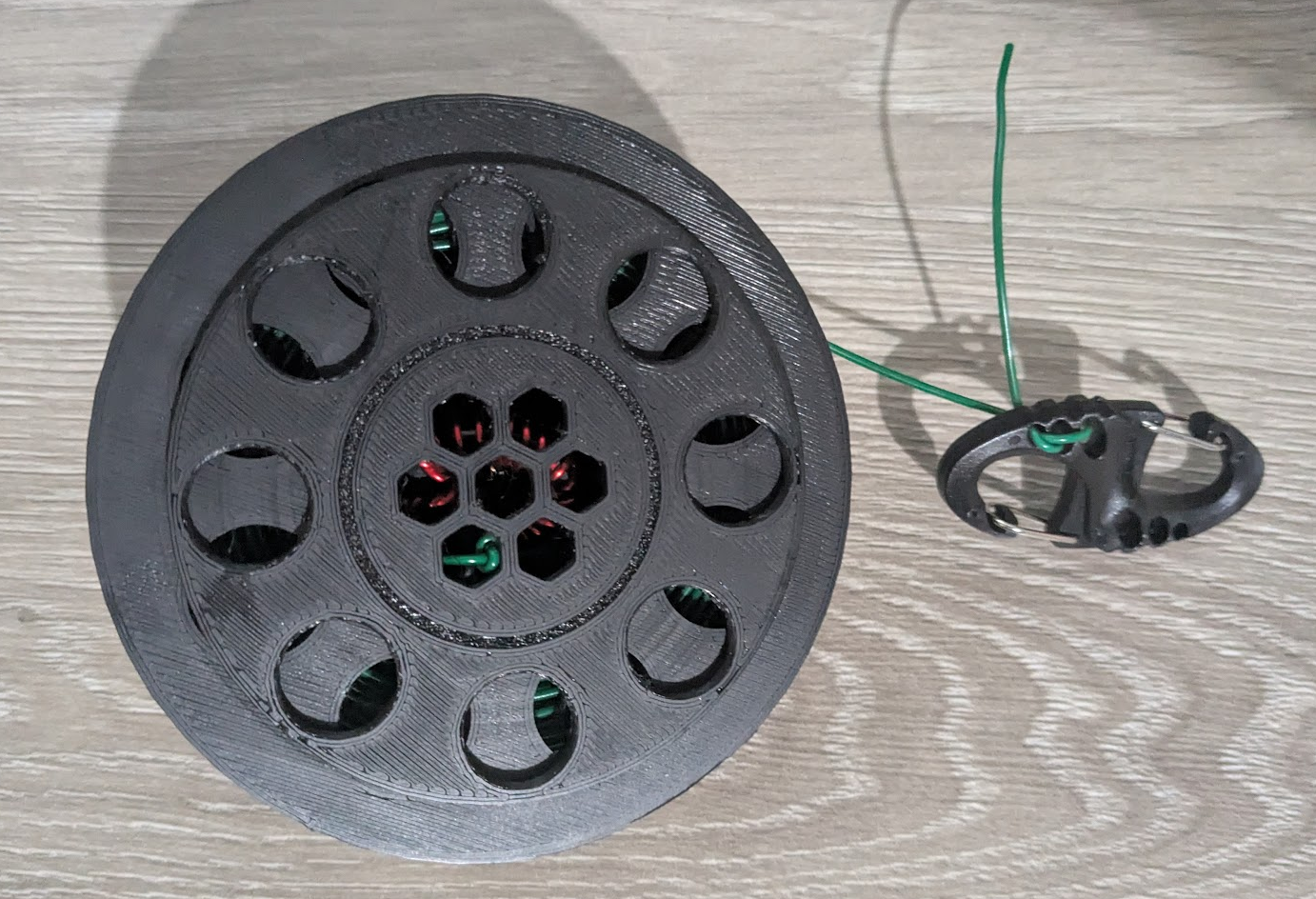
Internal space for the transformer and tap points
Mounting points that make it easy to wind and secure the wire feed
This version is especially practical if you like building antennas yourself and want something that balances portability with multi-band capability.
Print and Build Notes
Mechanically, the design prints cleanly and fits together well. Key details:
Material: ABS was used for strength and moderate weather resistance.
Print Time: Roughly 5 hours on my K1C printer for all parts.
Wire and Core: I used 18 AWG wire with an FT-82-43 ferrite toroid, along with lightweight Sotabeams antenna wire that I had in my spares box.
Build Time: Once printed, assembly — including winding the toroid and securing the wire — took about one hour.
Those dimensions and choices were largely driven by what I already had available, and they worked out well for the initial prototype.
Performance and First Impressions
Initial mechanical evaluation suggests the design is solid: the printed parts align, the spool rotates freely, and the transformer winds neatly in its cavity without interference.
I have not yet done a full on-air test across multiple bands, but the modified design looks promising based on similar builds shared by others in the community and the way the housing supports a tidy, rugged build process. I especially appreciate the way the design incorporates space for a larger ferrite core, which should make multi-band use more practical than simpler end-fed designs.
A big thank-you to TangoOscarMike for sharing the YouTube videos and STL files — those resources were invaluable in getting this printed and assembled.
What’s Next
Do portable activations to see how it performs in the field
If you’re interested in a DIY antenna that balances portability, multi-band capability, and the satisfaction of building something yourself, this modified Digitenna design is well worth a look.
Useful Links:
- Design on Printables – Learn more about the antenna